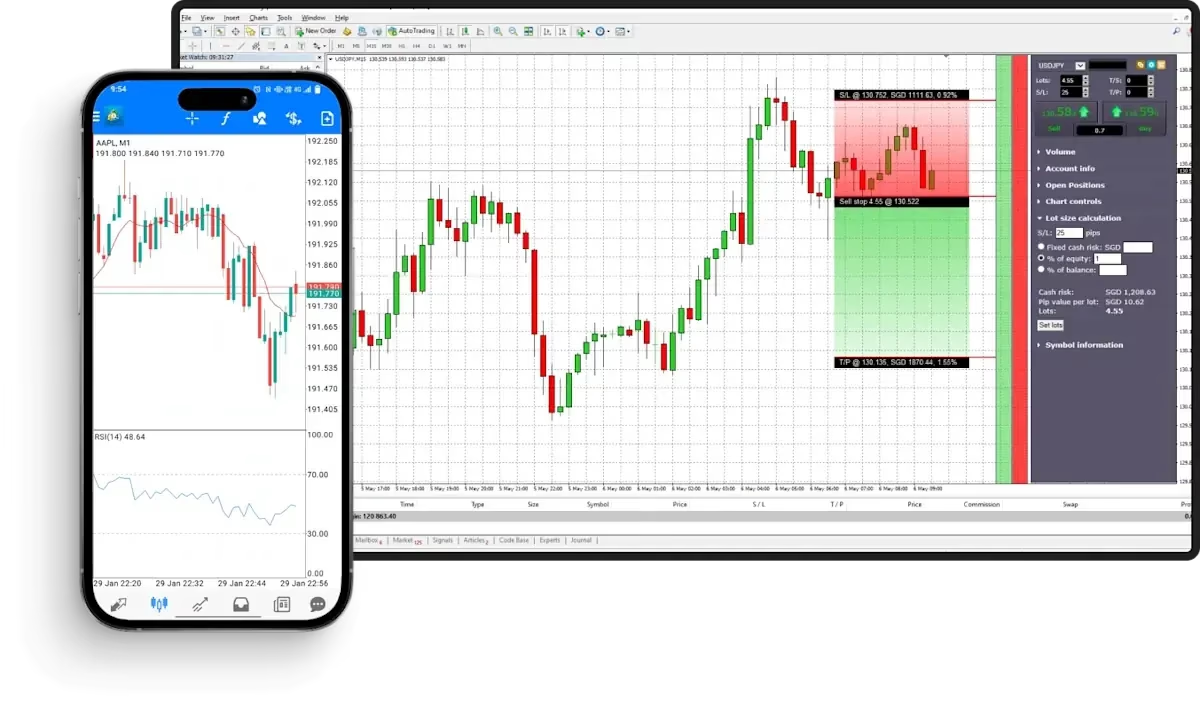
Why traders still pick MT4 over newer platforms
MetaQuotes stopped issuing new MT4 licences a while back, nudging brokers toward MT5. But most retail forex traders stayed put. The reason is straightforward: MT4 does one thing well. A huge library of custom indicators, Expert Advisors, and community scripts were built for MT4. Migrating to MT5 means rebuilding that entire library, and most traders don't see the point.
I've tested both platforms side by side, and the differences are marginal for most strategies. MT5 adds a few extras such as more timeframes and a built-in economic calendar, but the charting feels nearly identical. Unless you need MT5-specific features, MT4 is more than enough.
Getting MT4 configured properly the first time
The install process is quick. The part that trips people up is getting everything configured correctly. Out of the box, MT4 loads with four charts tiled across the screen. Shut them all and open just the pairs you actually trade.
Chart templates save time. Configure your go-to indicators once, then save it as a template. Then you can load it onto other charts instantly. Small thing, but over weeks it saves hours.
A quick tweak that helps: go to Tools > Options > Charts and enable "Show ask line." MT4 only shows the bid price on the chart, which can make your entries look off until you realise the ask price is hidden.
MT4 strategy learn here tester: honest expectations
The strategy tester in MT4 gives you the ability to run Expert Advisors against historical data. That said: the accuracy of those results hinges on your tick data. Built-in history data is interpolated, meaning it fills in missing ticks with made-up prices. If you're testing something beyond a rough sanity check, grab proper historical data.
The "modelling quality" percentage matters more than the profit figure. If it's under 90% suggests the results shouldn't be taken seriously. People occasionally post backtest results with 25% modelling quality and ask why their live results don't match.
This is one area where MT4 genuinely outperforms most web-based platforms, but only if you feed it decent data.
MT4 indicators beyond the defaults
MT4 ships with 30 standard technical indicators. The average trader uses maybe a handful. However the real depth comes from custom indicators built with MQL4. The MQL5 marketplace alone has thousands available, ranging from tweaked versions of standard tools to complex multi-timeframe dashboards.
The install process is painless: drop the .ex4 or .mq4 file into your MQL4/Indicators folder, refresh MT4, and the indicator shows up in the Navigator panel. The catch is reliability. Free indicators range from excellent to broken. Some are genuinely useful. Many are abandoned projects and may crash your terminal.
When adding third-party indicators, look at how recently it was maintained and whether people in the forums have flagged problems. A broken indicator doesn't only show wrong data — it can lag the whole terminal.
Risk management settings most MT4 traders ignore
MT4 has a few native risk management tools that most traders don't bother with. The most useful is maximum deviation in the order window. It sets the amount of slippage you'll accept on market orders. Leave it at zero and the broker can fill you at whatever price is available.
Everyone knows about stop losses, but MT4's trailing stop feature is underused. Click on an open trade, select Trailing Stop, and define a distance. Your stop loss follows automatically as the trade goes in your favour. Doesn't work well in choppy markets, but on trending pairs it reduces the urge to micromanage the trade.
None of this is complicated to set up and they take some of the guesswork out of trade management.
Expert Advisors — before you trust a robot with your money
EAs sounds appealing: define your rules and let the machine execute. The reality is, most EAs fail to deliver over any decent time period. Those sold with incredible historical results are often fitted to past data — they look great on past prices and stop working once the market does something different.
That doesn't mean all EAs are a waste of time. A few people build custom EAs to handle one particular setup: time-based entries, automating position size calculations, or exiting positions at predetermined levels. That kind of automation work because they do repetitive actions without needing interpretation.
When looking at Expert Advisors, test on demo first for at least two to three months. Live demo testing tells you more than historical results ever will.
Using MT4 outside Windows
MT4 was built for Windows. Running it on Mac has always been compromises. The old method was running it through Wine, which did the job but had visual bugs and occasional crashes. Some brokers now offer Mac-specific builds wrapped around Wine under the hood, which work more smoothly but remain wrappers at the end of the day.
On mobile, available for both iOS and Android, are surprisingly capable for watching positions and making quick adjustments. Full analysis on a phone screen is pushing it, but managing exits on the go has saved plenty of traders.
It's worth confirming if your broker provides real Mac support or a compatibility layer — it makes a real difference day to day.